



A Toyota hybrid could save you hundreds of dollars a year on gasoline, depending on what you currently drive, your annual mileage, and local fuel prices. For example, switching from a vehicle averaging 25 MPG to a hybrid averaging 50 MPG would reduce your gasoline costs by approximately $900 annually when driving 15,000 miles with gas at $3 per gallon.
For San Antonio drivers, those savings can make a difference. Between commuting along I-35, running errands around Loop 1604, and taking weekend trips through the Texas Hill Country, the miles add up quickly.
At Universal Toyota in San Antonio, understanding hybrid value starts with your everyday driving habits. The right comparison considers fuel economy, purchase price, and how long you plan to keep your next vehicle. Here is how to estimate what a Toyota hybrid could actually save you.
What Determines Your Toyota Hybrid Fuel Savings?
Your potential savings depend on three main factors: how many miles you drive, the fuel economy of each vehicle, and what you pay for gasoline.A driver replacing an older SUV that averages 20 MPG will see a different result than someone replacing a compact sedan that already averages 35 MPG. Both could spend less on fuel with an efficient hybrid, but their savings will be different.
Annual mileage matters just as much. If you commute from Schertz or Live Oak into San Antonio five days a week, your fuel savings could accumulate faster than those of someone who works from home and primarily drives on weekends.
Gas prices also change the calculation. AAA listed San Antonio’s average regular gasoline price at approximately $3.02 per gallon on November 17, 2026. The examples below use a rounded $3 per gallon to keep the math straightforward. This is an illustrative assumption, and future prices will vary.
Which Toyota Hybrids Offer Strong Fuel Economy?
Toyota hybrid fuel economy varies by model, trim, drivetrain, and model year. Before choosing a vehicle, check the ratings for the exact configuration you are considering.Toyota Corolla Hybrid
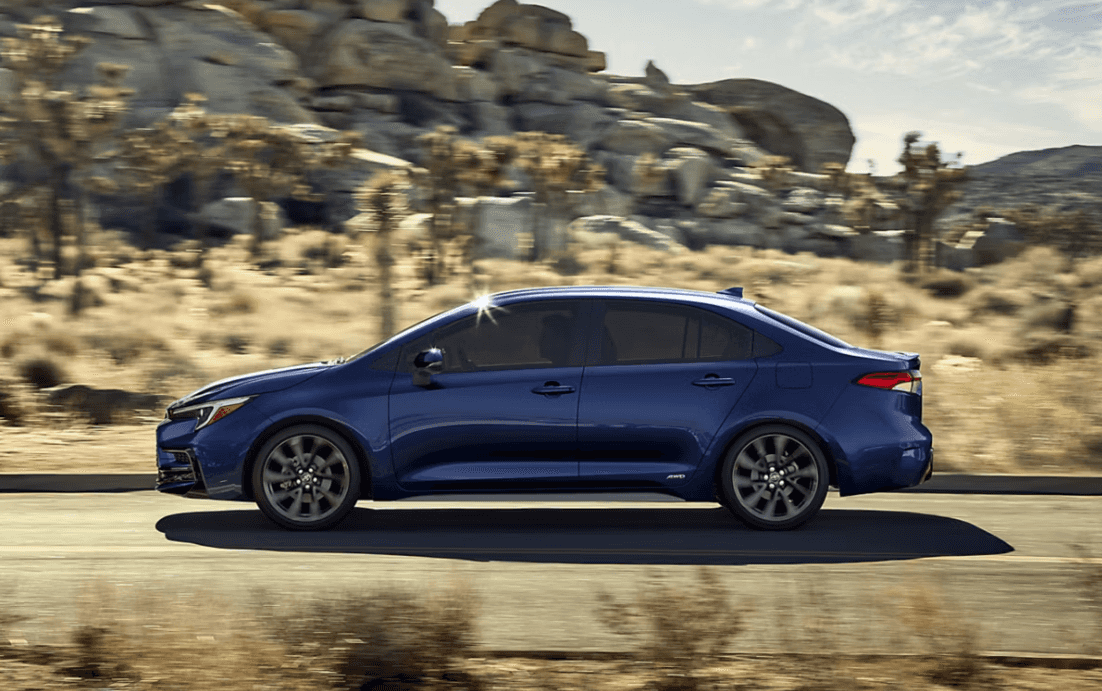 The 2026 Toyota Corolla Hybrid offers an efficient option for drivers who want a compact sedan for commuting and everyday errands. The EPA lists the front-wheel-drive Corolla Hybrid configuration shown in its database at 50 MPG combined, 53 MPG city, and 46 MPG highway. Other configurations can have different ratings. fueleconomy.gov
For someone driving between Universal City, northeast San Antonio, and downtown, the Corolla Hybrid provides a useful starting point for calculating potential fuel savings.
Using the 50 MPG combined rating as an estimate, 12,000 miles of annual driving would require approximately 240 gallons. At the illustrative $3-per-gallon price, that equals about $720 per year.
Toyota Camry Hybrid
 Drivers who prefer a midsize sedan can also explore the Toyota Camry. The 2026 Camry lineup is exclusively hybrid, and the EPA’s 2026 Fuel Economy Guide lists the Camry LE front-wheel-drive configuration at 51 MPG combined. Ratings vary across other trims and drivetrains. Toyota USA Newsroom
Because the 2026 Camry is hybrid-only, shoppers should compare it with their current vehicle or another vehicle they are considering. There is no equivalent gasoline-only 2026 Camry to use for a same-model comparison.
Universal Toyota can help you compare specific vehicles so your fuel-cost estimate reflects the trim, equipment, and driving needs that matter to you.
Why Hybrids Make Sense for San Antonio Traffic
A typical San Antonio drive can include highway cruising, frontage-road traffic, school pickup lines, and frequent stops at intersections.Hybrid systems combine a gasoline engine with electric motor assistance. They can reduce fuel consumption through technologies such as regenerative braking and automatic engine shutoff under appropriate conditions. These features help explain why hybrids can be particularly efficient in stop-and-go driving.
Regenerative braking captures some energy that would otherwise be lost during slowing and stores it in the hybrid battery. That energy can then support electric motor operation. Conventional vehicles generally lose that braking energy as heat.
For drivers who regularly encounter congestion on I-35 or Loop 410, that technology can be valuable. However, traffic does not guarantee a particular MPG result. Trip length, acceleration, weather, and climate-control use still influence efficiency.
If most of your driving involves steady highway speeds, compare highway MPG ratings as well as combined ratings. The best vehicle for your budget should match the roads you actually travel.
How Does San Antonio’s Summer Heat Affect Hybrid MPG?
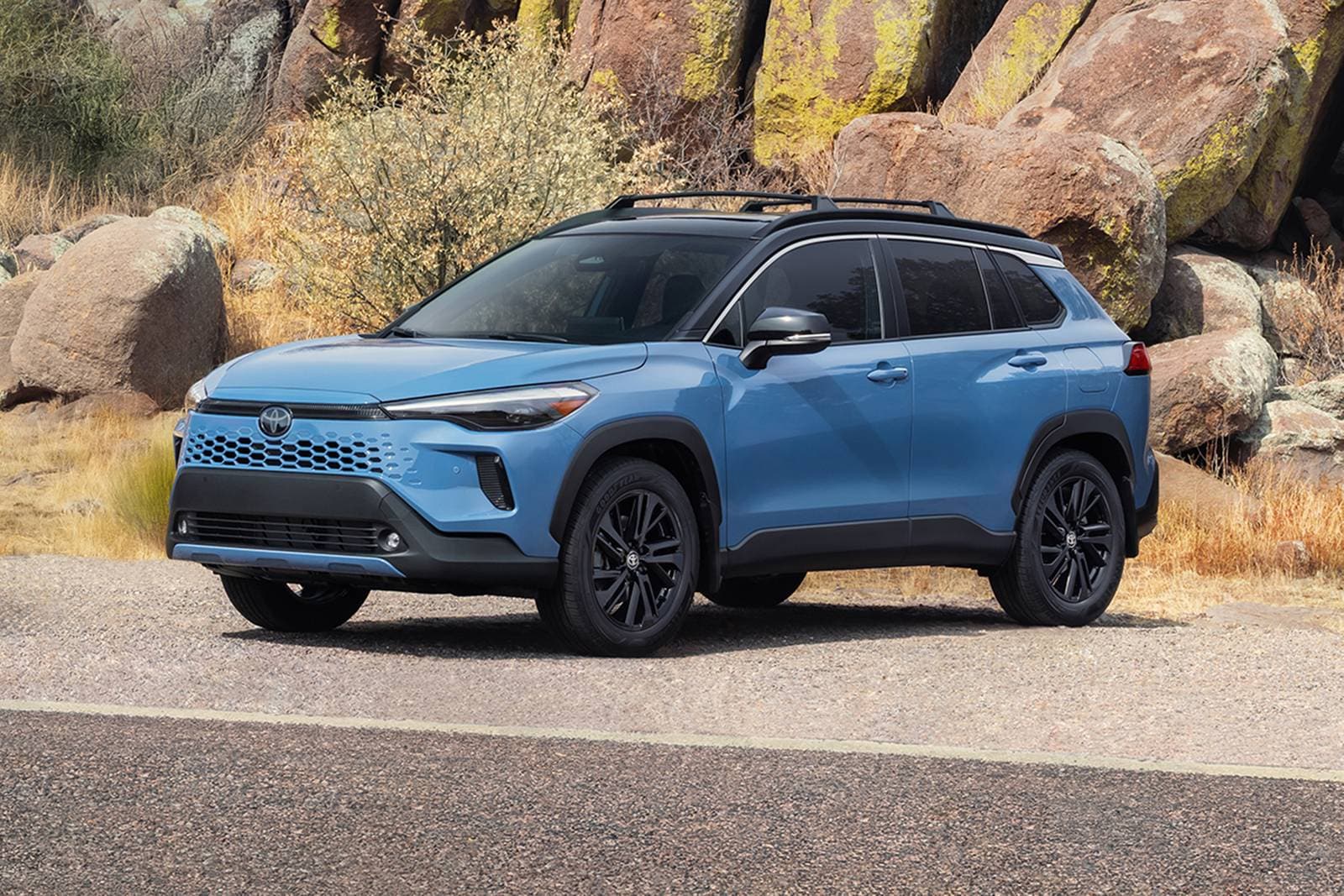 Air conditioning is an essential part of driving through a South Texas summer, and it also uses energy.
According to the U.S. Department of Energy, air-conditioning use can reduce fuel economy, with the effect depending on temperature, humidity, sunlight, and other conditions. Hybrids can experience a substantial percentage impact from climate-control use, particularly during demanding conditions.
That means you should leave room for seasonal variation when estimating Toyota hybrid savings in San Antonio. A short trip in extreme heat may produce different results than a longer drive in mild weather.
Practical steps include parking in the shade when possible, using a windshield sunshade, and briefly letting trapped hot air escape before cooling the cabin. Keeping tires properly inflated and following the vehicle’s maintenance schedule also supports consistent operation.
Use the vehicle’s MPG rating as a comparison tool, then track your own fuel consumption to understand your actual costs.
Do Toyota Hybrids Need to Be Plugged In?
A conventional Toyota hybrid, such as the Corolla Hybrid or Camry, does not require plugging into an external charger.Its gasoline engine and regenerative braking help maintain the hybrid battery’s charge. You refuel with gasoline, while the vehicle manages the interaction between its engine, electric motor, and battery.
For shoppers who want improved efficiency without adding home charging to their routine, that can make a conventional hybrid appealing.
Plug-in hybrids are a separate category. When comparing one with a conventional hybrid, include electricity costs, charging access, and how often you expect to recharge. The gasoline-only calculations in this article do not estimate plug-in hybrid operating costs.
Will Fuel Savings Offset a Higher Purchase Price?
Fuel savings are one part of the ownership equation. To understand overall value, compare the actual prices of the vehicles you are considering.For example, suppose a hybrid costs $2,000 more than a similarly equipped alternative and saves you $600 per year in gasoline. Dividing $2,000 by $600 gives a simple fuel-only payback period of approximately 3.3 years.
If the annual fuel savings are $900, that same hypothetical price difference would take about 2.2 years to recover through gasoline savings.
These are examples, not advertised vehicle prices or guaranteed results. Financing charges, taxes, insurance, maintenance, and resale value can change the overall comparison.
Equipment also matters. Comparing a heavily equipped hybrid with a basic gasoline vehicle can make the price difference appear larger than a comparison between similarly equipped vehicles. Ask Universal Toyota to help you review the full picture.
What About Hybrid Maintenance and Battery Coverage?
A Toyota hybrid still needs routine maintenance. Oil changes, tire rotations, inspections, and other services remain part of ownership according to the applicable maintenance schedule.When evaluating a used hybrid, review its service history, mileage, condition, and remaining warranty coverage. Those details can be just as important as the fuel economy rating.
For Toyota hybrid vehicles beginning with model year 2020, Toyota provides hybrid battery limited warranty coverage for 10 years from the original date of first use or 150,000 miles, whichever comes first, subject to applicable terms and conditions. Check the vehicle’s Warranty and Maintenance Guide for complete coverage details.
Battery coverage is useful information when planning ownership, but it should not be treated as a promise that every maintenance or repair expense is covered.
How to Calculate Your Own Toyota Hybrid Savings
You can estimate your fuel savings before visiting Universal Toyota.Start with this formula:
Annual fuel cost = annual miles ÷ average MPG × price per gallon
Calculate it once for your current vehicle and again for the hybrid you are considering. Subtract the hybrid’s estimated cost from your current vehicle’s cost.
For example, consider a driver traveling 15,000 miles annually:
- Current vehicle averaging 30 MPG: 500 gallons per year.
- Hybrid averaging 50 MPG: 300 gallons per year.
- Difference: 200 gallons annually.
- At $3 per gallon: approximately $600 in annual fuel savings.
Then repeat the calculation at different gasoline prices. That gives you a range for planning instead of relying on one fixed prediction.